IB-Free: Relief & Strength for People Living with IBS
Evidence-informed tips, gut-friendly recipes, and honest stories.



Education Hub

The Entropic Gut: A Three-Part Inquiry into Functional Stability
Managing IBS requires a transition from restrictive dieting to a multimodal strategy. This analysis details how soluble fiber, probiotics, and cannabinoids work in tandem to stabilize the enteric nervous system.

The Viscosity of Relief: Why Soluble Fiber is the Quiet Arbiter of the Irritable Gut
For those with Irritable Bowel Syndrome, fiber is often a double-edged sword. This analytical review examines the clinical evidence favoring soluble fiber over insoluble varieties to stabilize the gut.

The Chronology of Digestive Discord: How Our Biological Clocks Govern IBS
Irritable Bowel Syndrome is increasingly recognized as a disorder of biological timing. By understanding how circadian rhythms govern digestive health, patients can break the feedback loop of pain and poor rest.

The Mother Molecule and the Managed Gut: Can CBG Steady the Volatility of IBS?
The search for a calmer baseline in the gut has led researchers to CBG, a nonintoxicating molecule that targets multiple receptor systems at once. By modulating the pathways responsible for pain perception and colonic tone, it offers a progressed approach to the volatility of IBS.
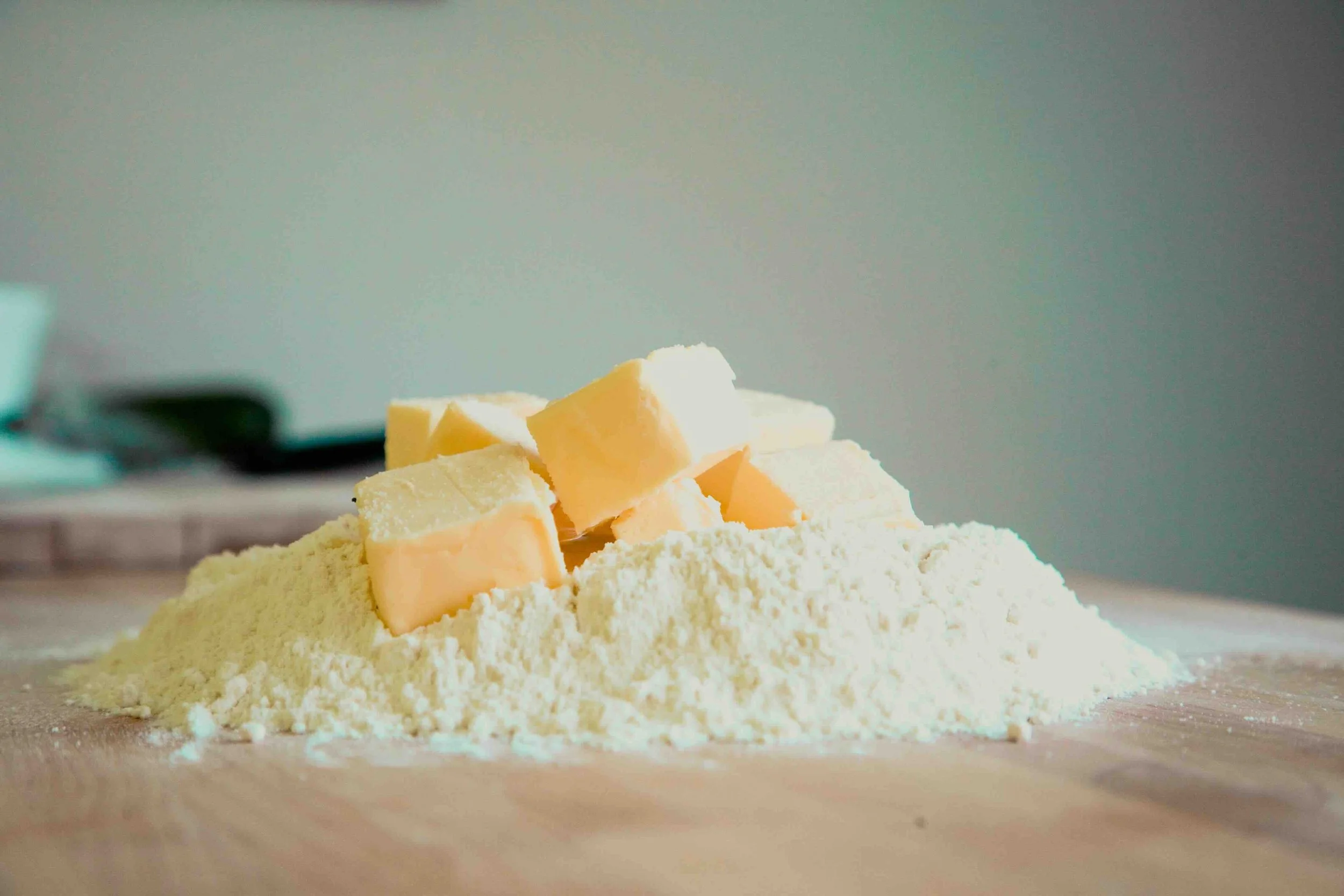
Ghee and Clarified Butter: Science of IBS-Friendly Dairy Fats
The process of clarifying butter transforms a complex dairy emulsion into a pure lipid, removing the proteins and sugars that frequently trigger digestive distress. This narrative explores the molecular differences between ghee and butter and how these refined fats support gut health.

Reducing FODMAPs and Enzyme Inhibitors Through Food Preparation
Scientific evidence suggests that culinary processing can significantly lower the levels of fermentable carbohydrates and inflammatory proteins in plants. By adopting traditional methods like fermentation and nixtamalization, sensitive individuals can expand their dietary variety without discomfort.

CBG for IBS: The Science of Gut-Brain Axis Regulation
While CBD is widely known, cannabigerol (CBG) is emerging as a sophisticated tool for gut health. By targeting the 5-HT1A serotonin receptor and immune pathways, it addresses the underlying communication errors of the gut-brain axis.

An All-Natural, Over-the-Counter Approach to IBS Relief
IBS doesn’t respond to miracle cures, but a growing body of evidence suggests that a thoughtful combination of probiotics, soluble fiber, and CBD/CBG supplements may offer durable, over-the-counter relief by addressing the gut from multiple angles at once.

The Gluten Myth: Wheat's Other Troublemakers
Recent research suggests that Non-Celiac Gluten Sensitivity is a misnomer, and that other components of wheat, like fructans and ATIs, may be the real culprits. This shift in understanding may lead to better diagnostic clarity and more effective treatment strategies for functional gut disorders.

The Unsuspecting Carnivore: When Gluten Hides in Animal Products
While meat, eggs, and dairy are naturally gluten-free, industrial processing often introduces wheat-based binders and fillers. We explore the common animal products where gluten hides—from deli meats to omelets—and how to identify them.

The Gluten Paradox: Debunking the Myth of Hidden Wheat in Common Foods
Misinformation about gluten can lead to unnecessary dietary restrictions or accidental exposure for those with sensitivities. We debunk the myths and reveal the surprising truth about common foods that are naturally gluten-free.

The Hidden Wheat in Your Weeknight Meatballs and Gyros
For those managing celiac disease or IBS, the vigilance required for a gluten-free diet must extend beyond the obvious bread and pasta aisle and into the processed meat section, where hidden wheat is used as a binder and filler. The safest and most flavorful way to enjoy dishes like meatballs and gyros is to swap pre-made options for whole cuts of meat or homemade versions using gluten-free binders like oat flour or cornstarch.

The Transatlantic Gut Divide: Why American Wheat Makes Us Sick and the Unexpected Truth About Your “Gluten Sensitivity”
The phenomenon of finding digestive peace while eating bread in Europe, yet suffering in the U.S., is more than just anecdotal. The true triggers of modern wheat sensitivity likely involve immune-activating proteins and divergent agricultural practices.

The Unexpected Price of Bread: When Gluten Turns Hemorrhagic
Rectal bleeding is an alarming symptom, but for a sensitive subset of the population, the culprit hiding in the pantry is often wheat, acting as a trigger for profound gut inflammation. For non-celiac individuals, a monitored gluten-free diet often leads to the complete resolution of both pain and bleeding.

Non-Celiac Wheat Sensitivity: Why ATIs, Not Gluten, Could Be the Real Problem
For many, the discomfort blamed on gluten is actually caused by Amylase-Trypsin Inhibitors (ATIs), natural pest-defense proteins in wheat that activate the innate immune system. Switching to ATI-free grains like rice, corn, or oats can often resolve symptoms of non-celiac wheat sensitivity without the need to fear gluten itself.

The Unlikely Culprit: Why Your Bread Problem Might Not Be Gluten
If you react poorly to American bread, it may not be the gluten protein, but chemical additives like glyphosate and potassium bromate, or fermentable carbohydrates (fructans). Modern wheat farming and processing practices, largely absent in Europe, are the likely triggers for many with IBS.

The Safety Net: Over-the-Counter Enzymes for Accidental Gluten Exposure
If you're sensitive to gluten or wheat, over-the-counter enzyme supplements like AN-PEP (Tolerase G) can offer support, especially for accidental exposure. AN-PEP breaks down the immune-reactive gliadin peptide in the stomach, with dosages up to 330,000 PPI for high-risk meals. These enzymes are a strong adjunct to a gluten-free diet, but never a replacement.

The Ultimate IBS-Friendly Thanksgiving Menu (Low FODMAP, Gluten-Free & Dairy-Free)
Thanksgiving is about gratitude, not gut distress. Yet, for the nearly one in ten adults with IBS, the traditional menu is a cascade of high-FODMAP compounds. With a few mindful, science-backed substitutions—like using garlic-infused oil instead of whole garlic—you can still savor a delicious, satisfying, and low-FODMAP meal without the resulting visceral hypersensitivity.

The Quiet Revolution on the Thanksgiving Table: Mastering the Low-FODMAP Feast
Thanksgiving is about gratitude, not gut distress. Yet, for the nearly one in ten adults with IBS, the traditional menu is a cascade of high-FODMAP compounds. With a few mindful, science-backed substitutions—like using garlic-infused oil instead of whole garlic—you can still savor a delicious, satisfying, and low-FODMAP meal without the resulting visceral hypersensitivity.

The Hard-Stopping Strains: Precision Probiotics for IBS-D
In IBS-D, the goal is to reduce motility and firm up stool. The single strain Bacillus coagulans MTCC 5856 is the top-ranked option for improving stool form, while a specific 14-strain mixture has shown strong evidence for reducing daily bowel motions.
Educational content only — not medical advice.
When the world locked down for COVID, my gut went into meltdown. What started as minor bloating turned into a full-blown digestive disorder. This is the story of how I found my way out—and why IBS is anything but BS.